Learn with us
Straightforward guides to hair extensions, everyday care, curly hair, and the craft behind our work — from the team at NOISM Hairculture.
Foundation — The NOISM Philosophy
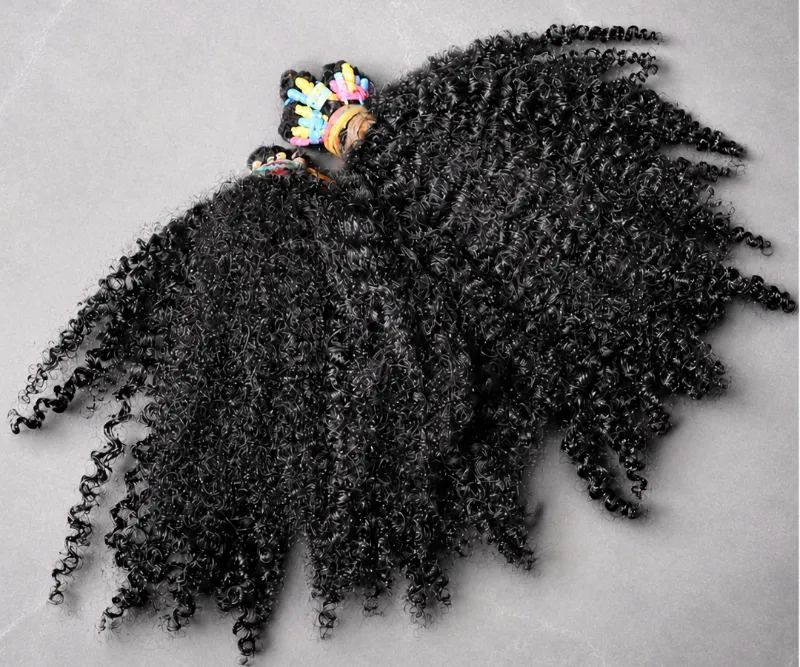
Hair is not the product. The scalp is the foundation. Extensions are the consequence of healthy hair — not a substitute for it.
Part One — The Biology of Hair
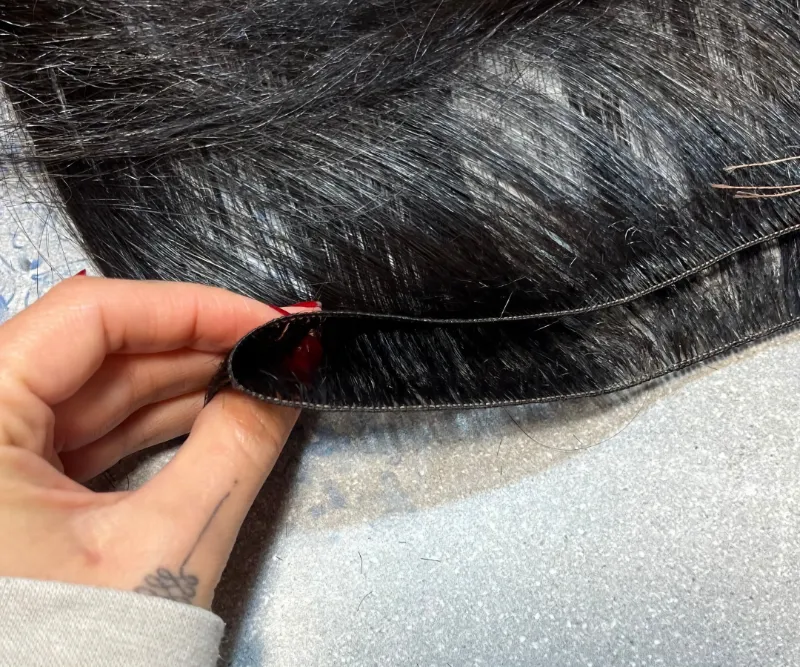
When you touch a ponytail and it slides smoothly between your fingers from root to tip, you are feeling an intact cuticle. That sensation is not cosmetic. It is structural information about the condition of the hair.
Part Two — The NOISM Method
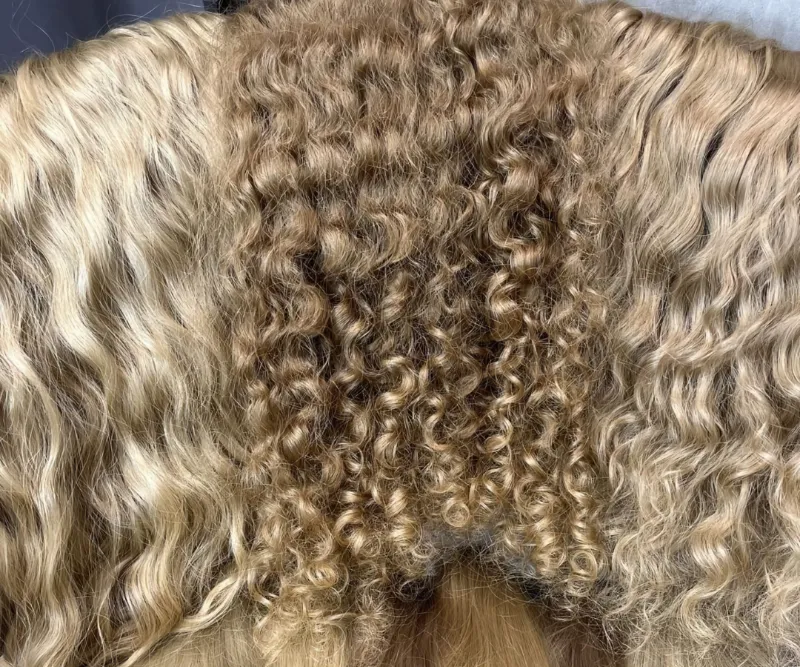
What NOISM has developed is not a reinvention of this history. It is a refinement — a specific technical execution built on the original principle, adapted to work across all hair textures and specifically engineered to meet the demands of premium single-donor hair and hand-tied weft installation.
Part Three — Understanding The Market
Every single-donor cut is an individual. It has its own character, its own colour nuances, its own density from root to tip. No two are identical. This is not a limitation — it is the point.
Part Four — The Supply Chain
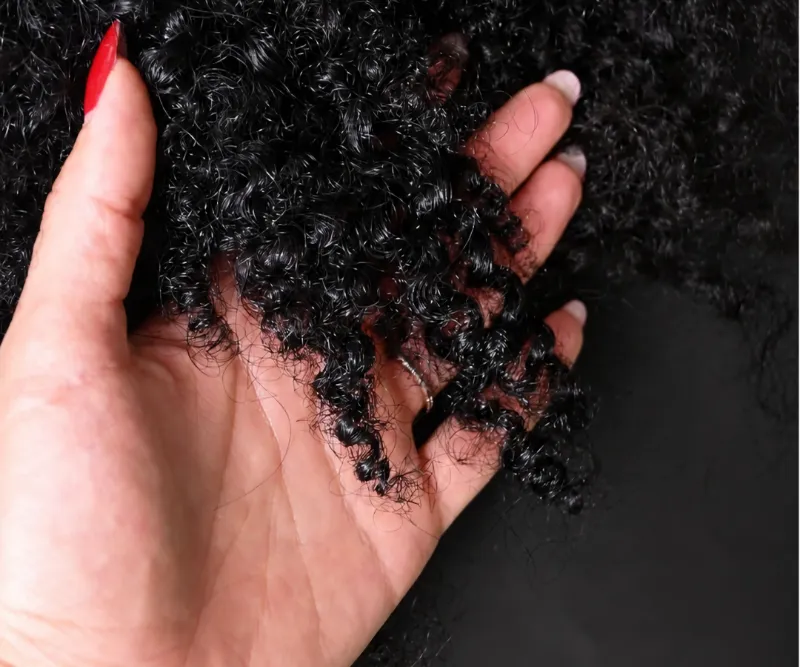
Genuine single-donor hair primarily comes from Eastern Europe and parts of Western Asia — regions where a well-established culture of hair sale exists. Donors are fully aware that their hair has commercial value. They sell it intentionally, they are paid a price they have often negotiated themselves, and they understand exactly where it is going.
Part Five — The Product
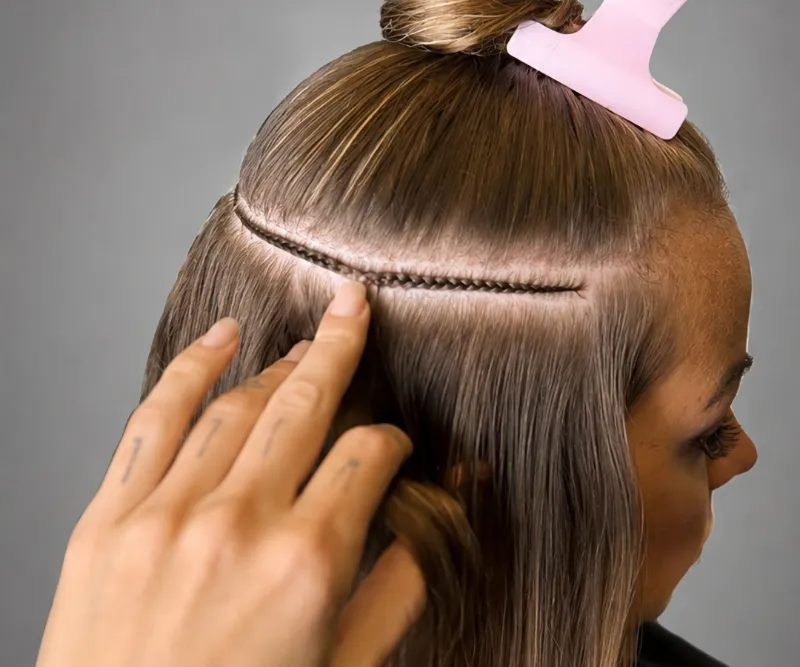
With hand-tied wefts, the weft is produced once, to your specifications, and reinstalled without bonding or cutting the hair itself. High-quality single-donor wefts, when properly cared for, can remain in active use for many years — frequently five to seven years or longer. What determines longevity is not the material but the consistency of maintenance and the competence of every professional who handles the weft.
Part Six — What to Expect
Raw single-donor hair does not look like the hair in a catalogue photograph or in a Reel filmed under studio lighting. It looks like hair — because it is hair. For clients who have not yet learned to read their own hair — its porosity, its natural pattern, its true potential — this can feel underwhelming. Their potential becomes visible in skilled hands.
Part Seven — Due Diligence
The single most common source of expensive mistakes in this category is not bad luck — it is the absence of the right questions before a decision is made.